

Local health bosses told how to engage more lived experience worker
By Paul Rogers - Local Democracy Reporter 6th May 2026


Health bosses have been told of ways they can engage with people more, especially when it comes to mental health issues.
Leanne Walker has been a person of "lived experience" for 10 years and was one of the first Child and Adolescent Mental Health Services (CAMHS) lived experience workers in the country.
Lived experience involves using personal journeys with health conditions, particularly mental health, to shape care, provide peer support, and improve services.
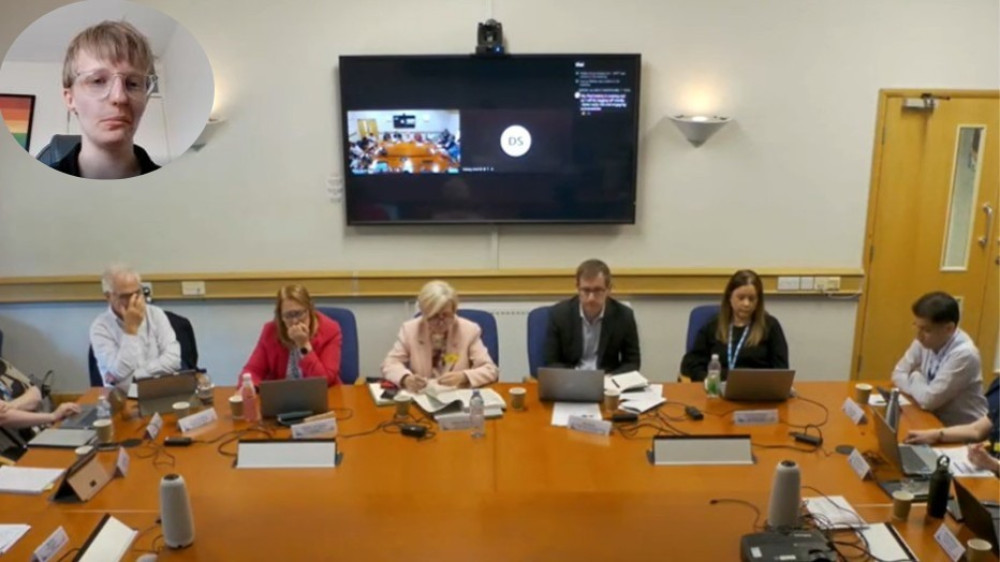
At a recent NHS Shropshire, Telford and Wrekin and Staffordshire and Stoke-on-Trent Integrated Care Board (ICB) meeting, Ms Walker shared her experiences of mental health via a powerful video called, Lived Experience: Essential Criteria.
"The core message is, that without people with lived experience or without people who need to access services, services wouldn't exist," she said.
"No one around this table would exist either in terms of their roles and job functions. For me, it always comes back to, 'what is at the heart of what we are doing and why? And who are we doing this for?'
"We can get lost in policies and processes, so my overall ask is to make a mental note of that and reflect on it going forwards.
"Often, we expect people to come to us, rather than going out to people. Sometimes we ask people to come into buildings where they've had difficult or traumatic experiences, or talked about them.
Download our Nub News App!
- It’s FREE and available now- Breaking news notifications
- Your Town in Your Pocket


"Is this building that we're asking people to come in, on an accessible bus route? And is this a service that people have previously accessed and may have struggled? I think it's about being more proactive and going out, and not just expecting people to come in.
"The general public aren't aware that the NHS is split into different trusts and organisations. It's about how we make the language we are using and what that ask is accessible to as many people as possible?
"We get caught up in using jargon and different words to mean different things. It's about different ways of engagement, and going out into communities. I do a lot of work with the LGBT+ community, and there's work to be done around building trust with marginalised communities to begin with before people can then engage."
Mike Lawton, deputy chair of the ICB, praised Ms Walker for the passion she showed in the video.
"Stories come alive when people tell them in such an engaging way," he said.
"Some of the things you said about lived experiences, like you can't check in or out, and you are able to raise your hand when others can't. That's a real powerful message.
"What do you think we can do to be less patient and more accepting of the problem before dealing with it?"
In response, Ms Walker said: "In lived experience work, it's often not recognised that there's less of a divide between home and work life. When you put lived experience in a job description, by definition what we're doing is asking people to bring personal lives into the workplace.

"It's our everything. It's our work and our homelife, and that's a distinction that's often not acknoweldged.
"It's more than a job for people who do this work. When I talk about being too impatient or too professional, what I mean is that I still feel there's a lot of the 'us and them' stigma. As mental health professionals, we can't be 'them' as patients, when actually the reality is, often we can be two things at once.
"When you are in a lived experience role, you're walking that balance of trying to be perceived in a way where people take you seriously, but not being too professional that you go too far away from being seen as a patient.
"The core of that for me is stigma. I've been privileged to work in lived experience for 10 years. The first role I had, I wasthe first role in a CAMHS service. At first, people didn't know how to speak to me.
"It wasn't necessarily out of bad intent, but what happened when I began to build relationships with people was I began to shift the culture.
"Because I was walking around with a name badge openly with someone of lives experience, all their staff started to see me as a safe space because they knew they could trust sharing their experiences with me."
CHECK OUT OUR FREE NEWSLETTER!
5 TOP STORIES EVERY FRIDAY!
Click here to sign up: stoke newsletter

Share: