

Wetlands restoration in Staffordshire to help make wildlife more resilient to extreme weather
By Liana Snape 27th Aug 2026


Following extreme weather in the UK, Staffordshire Wildlife Trust has shared how restoring wetlands can help wildlife and communities become more resilient to drought, flooding and heatwaves.
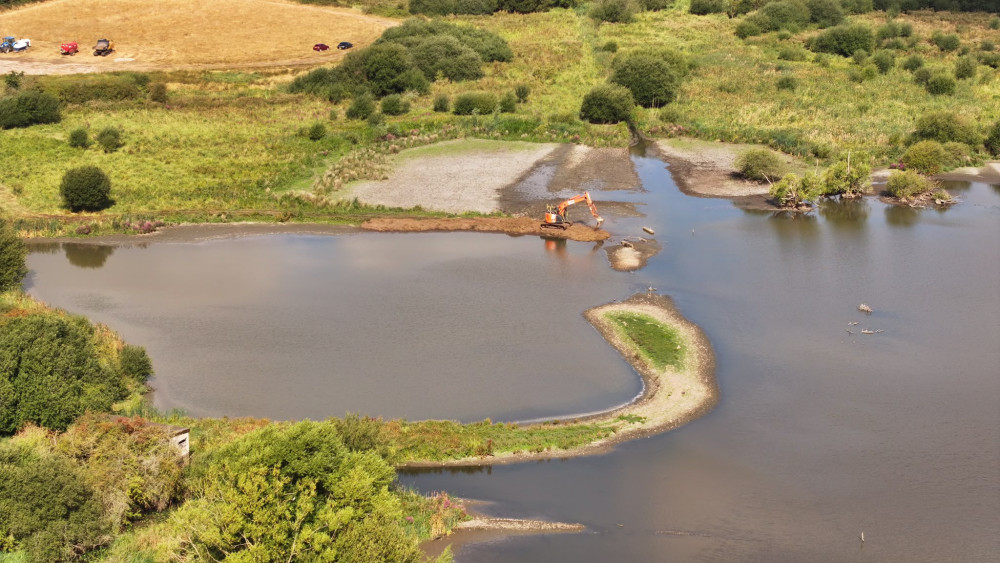
In response to extreme weather, the trust is restoring wetlands in the county including Doxey Marshes Nature Reserve in Stafford and two sites in Stoke-on-Trent.
This work will create natural systems that can store water during dry periods and reduce flood risk when heavy rain returns.
A spokesperson for Staffordshire Wildlife Trust said: "This summer's extreme weather has highlighted just how vulnerable landscapes can be to a changing climate.
"Across parts of the country, prolonged dry conditions have left rivers depleted, grasslands scorched and wildlife under increasing pressure.
"Scientists have forecast the return of El Niño, a climate pattern associated with higher global temperatures and an increased risk of extreme weather events. While no single weather system can be blamed for individual droughts or flooding, experts agree that climate change is making these events more frequent and more severe."
At Doxey Marshes - described by the trust as "one of Staffordshire's most important wetland sites" - restoration work is helping improve the natural function of floodplain habitats and create better conditions for wildlife.
In Stoke-on-Trent, projects are restoring habitats and reconnecting people with nature while helping the landscape adapt to a changing climate.
Download our Nub News App!
- It’s FREE and available now- Breaking news notifications
- Your Town in Your Pocket


Dave Cadman, Head of Nature Recovery Networks at Staffordshire Wildlife Trust, said: "When we restore wetlands, we're not just helping wildlife. We're creating landscapes that are better able to cope with the challenges of a changing climate.
"Healthy wetlands act like natural sponges, holding water in the landscape for longer during dry periods while helping to slow and store water during heavy rainfall.
"Through our work in Stafford and Stoke-on-Trent, we're restoring natural processes, creating bigger, better and more connected habitats. This work forms part of a wider Nature Recovery Network, linking habitats across the landscape so wildlife can move, adapt and thrive, while building resilience for communities too."
The Nature Recovery Network, which the trust is helping to create, will connect wetlands, rivers, grasslands, woodlands and other habitats across the county so wildlife can move more freely through the landscape.
Staffordshire Wildlife Trust stressed that these connections are "increasingly important" as species respond to changing environmental conditions.
A connected landscape is also better able to store water, reduce flooding, improve water quality and withstand periods of drought.
To explore the range of solutions available, the Trust is encouraging people to attend a People's Emergency Briefing (PEB) screening, an event bringing together local communities to hear leading voices on nature, climate and environmental action.
"The good news is there are solutions, and we see lots of incredible steps taken by those in Staffordshire who want to be part of them. You can help by being informed and asking your local councillors and MPs about what they are doing for nature. " Dave adds.

For more information, visit the Staffordshire Wildlife Trust website here.
To find your nearest screening of the People's Emergency Briefing, visit the website here.
CHECK OUT OUR FREE NEWSLETTER!
5 TOP STORIES EVERY FRIDAY!
Click here to sign up: stoke newsletter

Share: