

Local audiologist reveals how to protect your ears without giving up headphones
By Nub News Reporter 6th Oct 2026
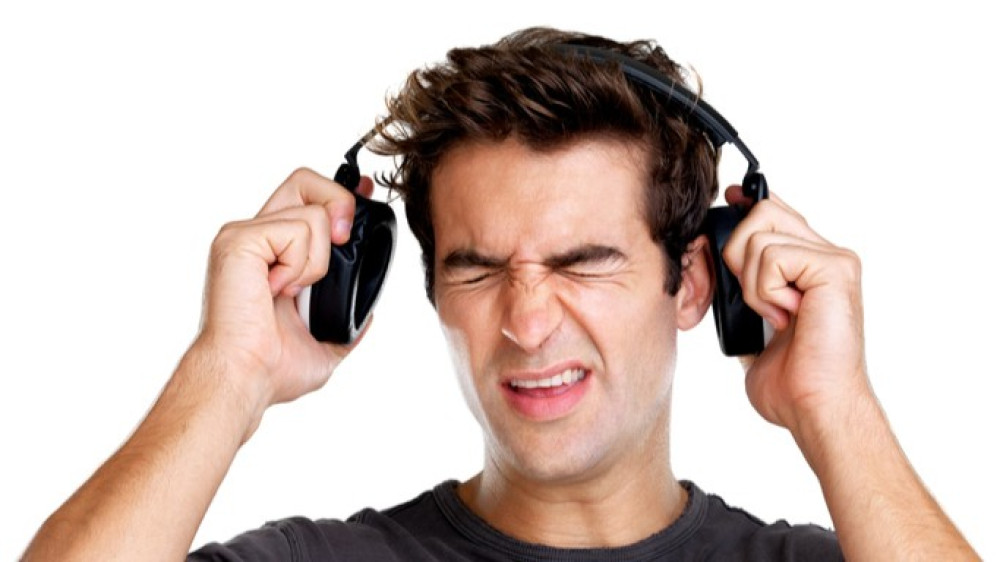


The World Health Organization now warns that more than one billion people aged 12 to 35 are at risk of hearing loss through recreational exposure to loud sound, including personal audio devices.
With headphones now used across commuting, studying, working, gaming and exercising, the exposure can quickly build.
A BMJ Global Health review estimated that 23.81 per cent of people aged 12 to 34 using personal listening devices were exposed to unsafe listening levels, while UK research found 58 per cent of 18 to 28-year-olds had experienced hearing loss, tinnitus or both after listening to music.
According to Olivia Kewney, Audiologist and Tinnitus Specialist at The Hearing Centres, the danger is not simply one loud song, but the sound exposure accumulated across an entire day.
She said: "Headphones are no longer something people use for an hour to listen to an album.
"Many young people wear them while commuting, working, studying, exercising and relaxing, so their ears may receive very little meaningful recovery time throughout the day.
"The biggest risk comes from the combination of volume and duration, as a level that does not feel painful can still become harmful over several hours.
"You do not need to stop using headphones. The aim is to change the way you use them so that listening does not come at the expense of your long-term hearing."
Download our Nub News App!
- It’s FREE and available now- Breaking news notifications
- Your Town in Your Pocket


Five ways to protect your hearing without giving up headphones
Olivia has shared the five following tips to help headphone users protect their hearing.
1. Treat volume warnings as a limit, not an inconvenience
If your phone repeatedly warns you that your volume is too high, do not dismiss the alert simply because the music still feels comfortable.
Repeatedly overriding warnings can normalise louder listening without you noticing how your habits have changed.
2. Avoid competing with background noise
People often turn their headphones up on trains, buses or at the gym to overpower background noise.
Well-fitting or noise-cancelling headphones may help you hear clearly at a lower level, but they should not be treated as hearing protection in themselves.
3. Take the headphones off between activities

Listening exposure is cumulative, so moving from music on your commute to video calls, a podcast and gaming does not give your ears a fresh start each time.
Create periods of genuine quiet between activities to reduce the total sound your ears receive.
4. Do not use ringing as your measure of safety
Ringing, buzzing or temporarily muffled hearing are signs that your ears have already been overexposed, but some damage develops without an obvious warning.
Safer listening habits matter even if you have never experienced tinnitus.
5. Pay attention if your normal volume keeps increasing
If the volume that once felt clear no longer seems loud enough, take it seriously.
Try lowering it after a period of quiet; if you continually need higher levels or also struggle to follow conversations, arrange a hearing check.

The signs that should prompt a hearing check
Olivia Kewney added: "If you regularly experience ringing, muffled sound, difficulty following speech in busy places or a need to keep increasing the volume, it is worth having your hearing checked.
"Hearing loss is often gradual, so people adapt without realising.
"Establishing a baseline while you are young gives you a useful point of comparison if your hearing changes in the future."
To find out more about The Hearing Centres and the available services, visit the website here.
This is a sponsored article. If it wasn't for sponsors like The Hearing Centres, our news site would not be possible - thank you.
If you own a local business and would like to sponsor us, get in touch at [email protected].
CHECK OUT OUR FREE NEWSLETTER!
5 TOP STORIES EVERY FRIDAY!
Click here to sign up: stoke newsletter

Share: