


Stoke-on-Trent solicitor warns intestacy rules may not reflect wishes if you die without a will
By Liana Snape 25th Jun 2026


Many people assume their estate will automatically pass to the people closest to them when they die, but that is not always what happens if there is no valid will in place.
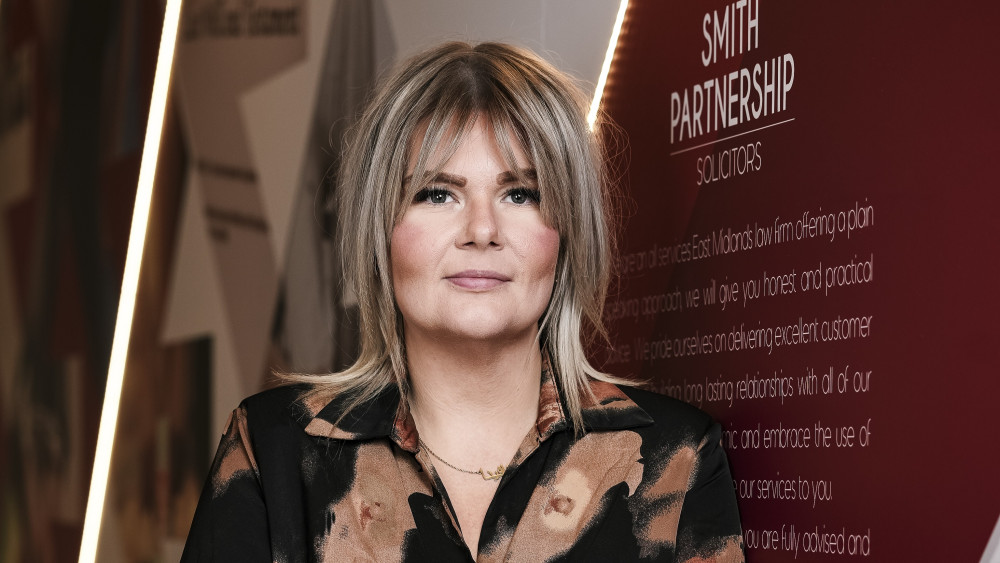
Davina Charlton, Senior Associate in Smith Partnership's Private Client team, says dying without a will can leave families facing outcomes that are fixed by law rather than guided by personal wishes.
Smith Partnership's current guidance explains that when someone dies intestate, meaning without a will, their estate is distributed according to strict legal rules based on which relatives survive them.
That means the people you expect to inherit may not be the people who actually do. What happens if you die without a will?
"If you die without a will, the law decides who inherits your estate based on a set order of entitlement rather than your personal wishes.
"That order depends on your family circumstances. If you are married or in a civil partnership and have no children, your spouse or civil partner will inherit the whole estate. If you are married or in a civil partnership and do have children, the estate may be split depending on its value.
"If you are unmarried but have children, your estate will usually pass to them equally. If you have no children or grandchildren, the estate passes down a legal order of relatives, beginning with parents and moving through siblings, grandparents, aunts and uncles. If there are no qualifying relatives, the estate passes to the Crown."
Why intestacy rules can cause problems for Stoke families
Download our Nub News App!
- It’s FREE and available now- Breaking news notifications
- Your Town in Your Pocket


"The difficulty is that intestacy rules are rigid. They do not take account of family dynamics, personal relationships or what you may have intended. That can lead to outcomes which come as a real surprise to people and, in some cases, cause distress at an already difficult time."
"An unmarried partner does not automatically inherit under intestacy, even where a couple have lived together for many years. A spouse from whom someone is separated but not divorced may still inherit all or part of the estate.
"Children inherit under the legal rules regardless of whether relationships are close, strained or unequal in practice."
Unmarried partners can be left with nothing
"One of the biggest misunderstandings is around cohabiting couples. Many people believe that living together for years gives their partner automatic rights, but that is not the case.
"If you are not legally married or in a civil partnership, your partner will not inherit under the intestacy rules unless you have made a will that specifically provides for them."
The law may not reflect modern family relationships
"Another issue is that the intestacy rules do not deal with personal circumstances in a flexible way. You may be estranged from one child but close to another. One child may have cared for you for years or still live in the family home. You may want to leave something to a godchild, step-relative or close friend.

"Without a will, the law does not weigh up those relationships or preferences. It applies the legal order, not your wishes.
"For example, a son who lives at home and has cared for a parent may still have to share the estate equally with a sibling. A goddaughter or another non-family beneficiary would receive nothing unless specifically named in a will."
Even separated spouses may still inherit
"People are often surprised to learn that separation is not the same as divorce when it comes to inheritance. If you are still legally married or in a civil partnership, your spouse or civil partner may still inherit under the intestacy rules even if you have been living apart for years."
"That point is especially important because many readers may assume their personal situation will be obvious or automatically recognised after death, when in fact the legal position can be very different."
Why making a will gives people more control
"Making a will allows you to decide who should inherit, rather than leaving those decisions to the intestacy rules. It gives you the opportunity to reflect your actual family circumstances, protect the people who matter to you and reduce uncertainty for those left behind."
"Without a will, the law applies a fixed structure that may not match someone's intentions. The practical answer is to put a valid will in place so those wishes are properly recorded."

What should people do now?
"For anyone who has been putting off making a will, the important point is not to assume everything will simply work itself out. If your circumstances are straightforward, the intestacy rules may still not produce the outcome you want. If your family life is more complex, the risks are even greater.
"Taking advice now can help you understand your position and put the right arrangements in place before they are needed.
"Our Private Client team advises clients on wills and estate planning. The underlying message is clear: where there is no will, the law decides who benefits, and that may not reflect what the deceased would actually have wanted."
To find out more about Smith Partnership, visit the website here.
This is a sponsored article. If it wasn't for sponsors like Smith Partnership, our news site would not be possible - thank you.
If you own a local business and would like to sponsor us, get in touch at [email protected].
CHECK OUT OUR FREE NEWSLETTER!
5 TOP STORIES EVERY FRIDAY!
Click here to sign up: stoke newsletter

Share: