What do new changes to the planning system mean for Staffordshire?
By Phil Corrigan - Local Democracy Reporter 2nd Nov 2026
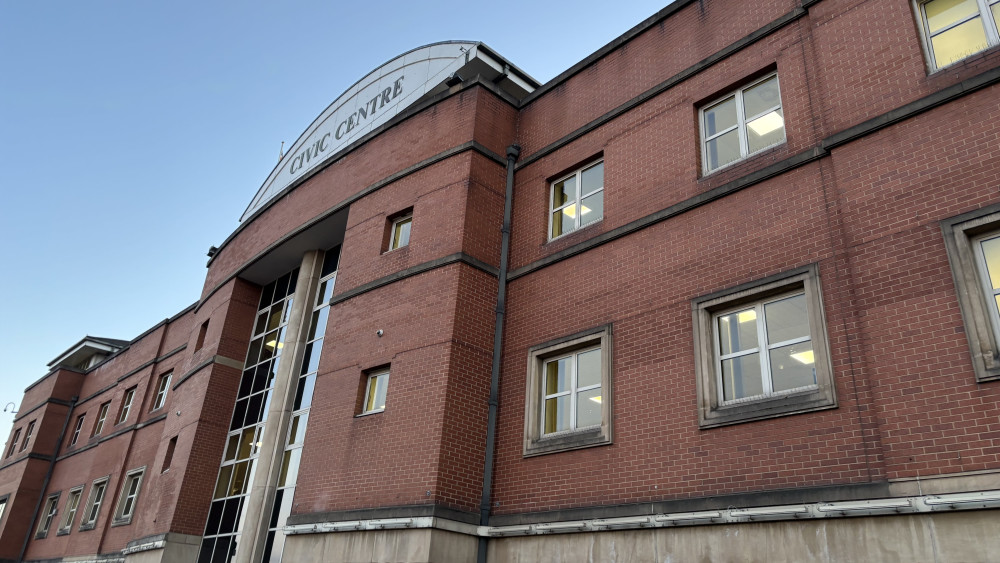


New rules have come into force from Saturday (31 October) which will change the way planning decisions are made.
The revised National Scheme of Delegation places strict limits on the role elected councillors play in the planning system.
Under the new system, the default position will be for decisions to be taken by unelected, professional council officers. Only applications which meet certain criteria will be determined by planning committees.
The government says the changes will provide greater clarity and consistency on how planning decisions are made across England. Ministers also believe that they will speed up the planning process, supporting faster housebuilding, development and economic growth.
But critics say that reducing the role of elected councillors will make the system less democratic and transparent. They raise concerns that this will erode public confidence in the planning process.
Here's a rundown on how the changes will affect councils in Stoke-on-Trent and Staffordshire:
How did the planning system work before the changes?
Planning is one of the most important functions held by any local council.
The planning system determines where new homes and businesses are built, supporting an area's economic growth, while also ensuring development aligns with policy and that valuable landscapes are protected.
Download our Nub News App!
- It’s FREE and available now- Breaking news notifications
- Your Town in Your Pocket


All applications submitted to a council are subject to public consultation and assessed by planning officers, who will take into account planning policy and representations from statutory consultees and members of the public.
Under the previous system, applications could then be sent to the planning committee for a decision – or officers could make the decision themselves under delegated powers.
Which applications went to committee and which were determined by officers varies from council to council, with each having their own scheme of delegation.
Stoke-on-Trent City Council delegated the vast majority of decisions to officers – only nine applications have gone to the planning committee in 2026.
Staffordshire Moorlands District Council, on the other hand, sends far more applications to the committee for determination. The committee meets every month and typically considers half a dozen or more applications each time.
Planning applications which went to committee were usually for larger or more controversial developments. Ward councillors also had the power to 'call in' applications to the committee, when they would otherwise have been determined by officers.
At a planning committee meeting, supporters and objectors have the opportunity to put across their views. While officers will make a recommendation for each application, the decision will be taken by the councillors on the committee.
What has changed?
The new National Scheme of Delegation sets out clearly when a planning decision can and cannot go to committee, leaving councils with less discretion. Determination by officers is now the default position for all planning applications.

Routine and technical applications which fall into 'Schedule 1' will have to be determined by officers, with no leeway for them to be sent to committee, even if there is significant public opposition.
Schedule 1 includes applications for housing schemes of up to nine homes, extensions to existing homes or minor commercial developments. Other forms of planning consent, such as prior approval or permission in principle, also fall into Schedule 1.
All other applications are included in Schedule 2. While a decision by an officer will still be the default, Schedule 2 applications can be decided by councillors in certain circumstances.
An application can be sent to the planning committee if it raises an economic, social or environmental issue of significance to the local area, or if it raises a significant planning matter.
The decision on whether to send an application to committee will be taken jointly by the chief planning officer and the chair of the planning committee. But if they disagree, the planning officer will have the final say.
Importantly, the new National Scheme of Delegation also removes the right of councillors to call in applications to the committee.
What hasn't changed?
All planning applications will still be subject to statutory public consultation, with councillors and members of the public having the opportunity to make representations for or against the plans.
When applications are determined by officers, they will still be required to prepare reports setting out the reasons for their decision, which will be published by the council.
Where statutory consultees, councillors or members of the public have raised material planning issues, the officers will have to address these in their reports.
What do councillors think?
The changes have been very controversial at councils across Staffordshire.
Peter Wilkinson, chair of planning at Staffordshire Moorlands District Council, has described them as an 'erosion of local democracy', while Councillor Tony Holmes went as far as to resign from the planning committee in protest.
Supporters of the old system say that when applications are determined by committee, it allows planning issues to be debated in public, making the system more transparent and accountable – something they say will be lost under the new system.
Councillors have been particularly concerned by the removal of the right to call in applications to the committee.
Moorlands councillor James Aberley said the call-in system allows ward councillors to act as a link between residents and the planning system, ensuring that the public feel involved in decisions that could have a major impact on their lives.
But the changes being implemented by the Labour government have had more support from local Labour councillors.
Councillor Finlay Gordon-McCusker, cabinet member for regeneration at the Labour-led Stoke-on-Trent City Council, suggested that 'not a lot will change' in Stoke-on-Trent, as the council already delegates most applications to officers.

But he insisted that the biggest planning applications would still go to committee for a decision.
CHECK OUT OUR FREE NEWSLETTER!
5 TOP STORIES EVERY FRIDAY!
Click here to sign up: stoke newsletter

Share: