

Staffordshire fire service sees surge in demand
By Phil Corrigan - Local Democracy Reporter 4th Dec 2025
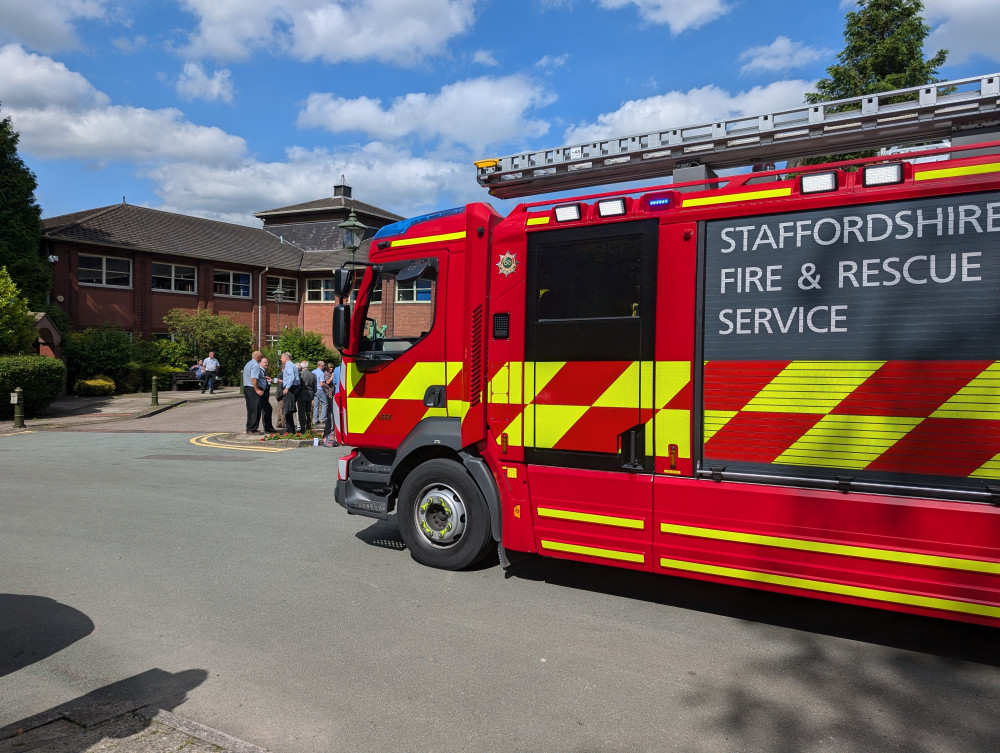


Firefighters were called out to an extra thousand incidents over the first half of the year – largely due to the hot, dry summer.
Staffordshire Fire and Rescue Service (SFRS) responded to 5,409 calls between April and September, compared to 4,436 over the same period in 2024.
The increase was driven largely by a 68.1 per cent rise in secondary fires, which include most grass fires that do not require a major response.
Chief fire office Rob Barber says the increasing number of wildfires seen in Staffordshire is evidence that 'climate change is real', with hot, dry summers now becoming increasingly common.
Over the six month period, SFRS went out to 1,794 secondary fires, which are generally small outdoor fires not involving people or property – up from 1,067 last year.
The number of primary fires increased by a smaller amount, from 673 to 728. And there was also a 19 per cent increase in road traffic incidents attended by firefighters – from 364 to 433.

Staffordshire Commissioner Ben Adams quizzed senior officers on the fire service's activity during his public performance meeting on Wednesday.
Download our Nub News App!
- It’s FREE and available now- Breaking news notifications
- Your Town in Your Pocket


Mr Barber said: "This year we've seen an increase across all of our incident types. This is closely related to the hot, dry year that we've experienced.
"The dry weather started back in February and continued all the way through until October. This created an increase in operational demand.
"The most significant area of change was secondary fires, such as grassland fires, refuse fires and fires in derelict buildings.
"The service has conducted a great deal of prevention activity throughout the year to try and reduce the likelihood of these fires, which included teams patrolling hotspot areas, delivering posters and engaging with local communities.
"However, despite all that work, the conditions meant we still saw a number of secondary fires.
"This is a clear sign of climate change. It used to be that we'd have a hot, dry summer once in 10 or 15 years – it seems to be every few years now, and we are preparing for that, because climate change is real and it's hitting us in terms of our operational demand."
Mr Barber said that while the surge in calls this year affected response times, firefighters still arrived at 79 per cent of incidents within standard time limits, against a target of 80 per cent.
Demand peaked in August, with firefighters responding to more than 1,000 incidents and the average response time increasing to 11 minutes 32 seconds – up from nine minutes 55 seconds in August 2024.

The increase in demand has also had an impact on the fire service's finances, with a £400,000 overspend on pay being projected for the year, although the overall budget remains 'on target'.
Chief finance officer David Greensmith said: "The overspend has been driven by the significant increase in operational demand that we experienced over the first six months of the year.
"The operational activity did start to reduce back to normal in September, as the whether became increasingly unsettled."
Mr Barber said that climate change is also leading to increased demand for flood rescues, and that it is a 'concern' that fire services do not receive funding for this area of work.
He added: "Climate change is hitting us all year round, whether it's the wildfires in the summer or the flooding in the winter, it's a constant that we need to keep on top of."
CHECK OUT OUR FREE NEWSLETTER!
5 TOP STORIES EVERY FRIDAY!
Click here to sign up: stoke newsletter

Share: