

New study to improve early diagnosis of osteoporosis led by Keele University
By Liana Snape 2nd Feb 2026
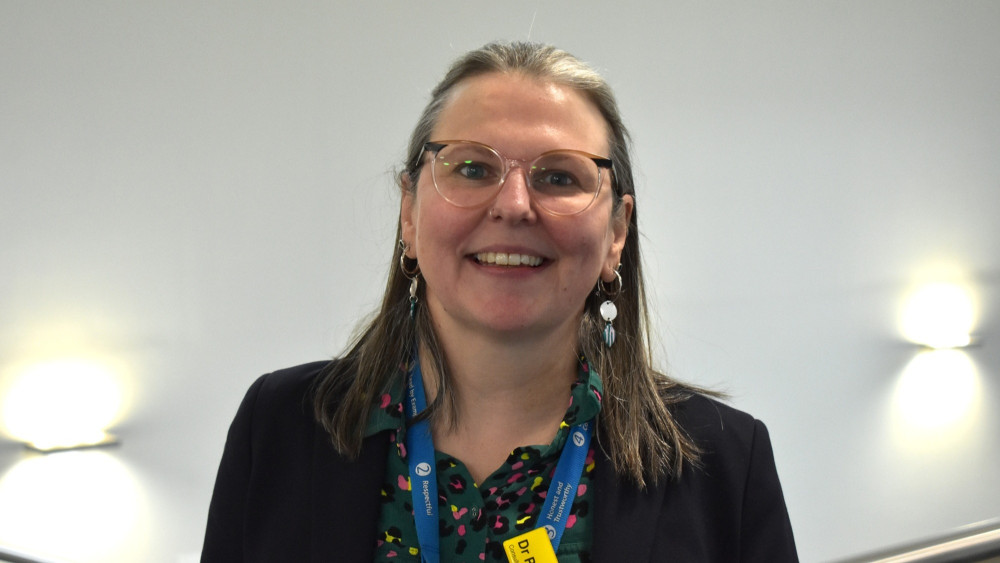


A team led by a Keele University researcher has secured a prestigious grant from the National Institute for Health and Care Research (NIHR) to help doctors identify more people at risk of a damaging bone disorder.
Professor Zoe Paskins, a Professor of Rheumatology in the School of Medicine and Honorary Consultant Rheumatologist at Midlands Partnership University NHS Foundation Trust (MPFT), has been awarded £4.8 million from the NIHR.
The grant will be used to design and test a new approach for GPs to help them offer treatment to more people at risk of osteoporosis, which could help thousands of people in the UK every year.
Professor Paskins said: "The PROTECTS team is thrilled to have been awarded this major funding.
"It enables us to move forward with designing and delivering preventative fracture care to the people who need it most.
"Through this programme, we hope to provide the economic evidence policymakers in the UK and worldwide need to decide if targeted osteoporosis screening should become routine clinical practice."
Osteoporosis is a common condition where bones are weak and more likely to break. These broken bones, known as 'osteoporotic fractures', can cause pain and disability, as well as affecting people's independence.
Over half a million people have an osteoporotic fracture every year, costing the NHS £4.7 billion and increasing demands on health and social care. But the condition is still thought to be under-diagnosed, and screening is not routinely offered.
Download our Nub News App!
- It’s FREE and available now- Breaking news notifications
- Your Town in Your Pocket


This means less than 40% of people at increased risk of osteoporosis receive any assessments for the condition, or treatments that can strengthen bones.
Ida Bentley, one of the patient public investigators (PPI) involved in the study, said: "Having seen my mother lose 28cm in height and sustain multiple fractures, and with my own fracture risk increased by cancer treatment before experiencing my first osteoporotic fracture in 2022, I know that good care requires early prevention, coordinated support, and equal access wherever you live or your circumstances.
"This research offers real hope by tackling gaps in care and ensuring patient voices shape better fracture prevention and treatment. I hope this work leads to lasting, fairer care and continued funding, so fewer families face the same pain and people with osteoporosis can live fuller, healthier lives."
Some 'under-served' groups are also more likely to be overlooked, including men, people of diverse ethnicity, those living in deprived areas, and those with dementia.
Professor Paskins and her team at Keele and MPFT aim to change that by designing and testing a new approach for general practices to identify people at increased risk of fractures and offer assessment and treatment.
They will work with carers, NHS staff, and crucially people with lived experience of osteoporosis, to create a package of materials for GPs to use, and resources for patients and clinicians.
The hope is that by spotting osteoporosis earlier in more cases, doctors can help more people access care at an earlier stage to help prevent life-changing fractures, reducing the impact of the disease on individuals, and the strain this places on the NHS.
Kanta Sandhu, another PPI in the study, added: "Through my experience of caring for a parent with osteoporosis, I am pleased to have been able to provide insight and pose questions which put patients at the heart of this research.

"Best practice and accountability is what is needed for the patients, public, professionals and policymakers and I am delighted to continue collaborating with the team further."
Craig Jones, Chief Executive of the Royal Osteoporosis Society said: "This is a hugely important investment in tackling the most stubborn barrier to the bone health of the population - the fact that so many people at high risk of fractures are simply not identified early enough.
"Too often osteoporosis only comes to light after a life-changing fracture, when the damage is already done.
"What makes this work especially valuable is its focus on real GP settings and on groups who are consistently overlooked, including men, people from diverse communities and those living with dementia or deprivation.
"By combining strong clinical science with lived experience, this research has the potential to show how earlier, fairer diagnosis can work in practice and to build the evidence policymakers need to take prevention seriously.
"If we want to reduce avoidable fractures and ease pressure on the NHS, this is exactly the sort of research we should be backing."
Chief Executive for MPFT, Neil Carr added: "We're approaching three years since MPFT became an accredited university trust and I'm incredibly proud of our partnership with Keele University and particularly how our staff have embraced research, development and innovation which has resulted in an innovative culture and the opportunity to use their considerable knowledge, experience and passion to enhance the health and care solutions we can offer both now and into the future."
This is a sponsored article. If it wasn't for sponsors like Keele University, our news site would not be possible - thank you.

If you own a local business and would like to sponsor us, get in touch at [email protected].
CHECK OUT OUR FREE NEWSLETTER!
5 TOP STORIES EVERY FRIDAY!
Click here to sign up: stoke newsletter

Share: