
Why more people in Stoke are considering a career in Personal Training
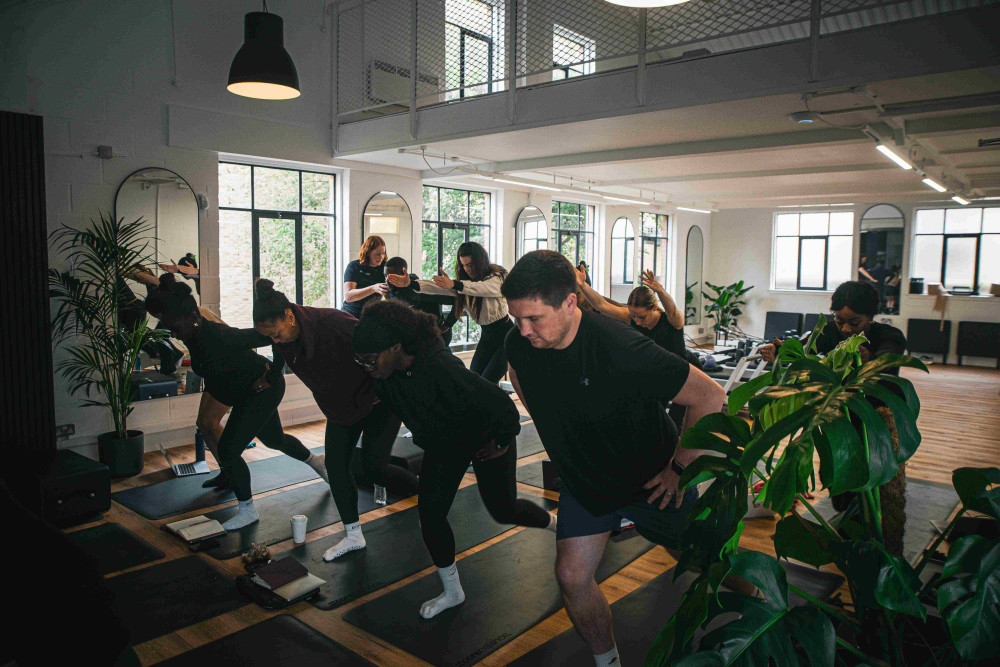
Increasingly, fitness isn't something people plug in around their busy work and family lives. For a growing number of UK residents, it's becoming a way to earn a living. And it's a trend hitting Stoke-on-Trent too! Local gyms are booming, with the number of people in attendance in public leisure centres well above expectations. The local picture reflects what's going on across the UK. A landmark 2025 report has revealed the fitness industry is in rude health, with 11.5 million people being members of a gym, served by over 5,600 clubs nationwide.
Today, we're more aware of the importance of fitness and wellness than ever before, and alongside that shift, personal trainers are in huge demand. This is leading to unprecedented numbers of people moving into the profession, and indeed, not just as a side hustle, but as a full-time profession. Here's the lowdown.
Changing habits
It's not just the increasing demand for personal trainers that's driving the growth of the profession. The changing way that people think about work is also fuelling the trend. During the pandemic, millions of people began to reassess long-term careers and their lifestyles, looking for roles that not only gave them more flexibility and control over their lives, but also felt active, meaningful and social. And a lot more rewarding!
Post-COVID, this change in thinking has become locked in, and personal training matches that need perfectly. The role combines flexible hours, social contact and the opportunity to work for a gym or fitness centre, or build your own business. Trainers can work when it suits them, with local clients (or further afield with online classes) and if they want, move from their old roles gradually, building income up to the point where they can make the jump to full-time!
What personal training actually involves
Personal training has evolved enormously over the last few years. If you think it's all about supervising people on the floor of a gym, counting reps and pushing already-fit clients to the max during workouts, then you're in for a surprise! As understanding of fitness, health and wellbeing and injury prevention has grown, personal training has become a more skilled and sophisticated profession.
Trainers now need to assess new clients to understand capabilities, medical history, injuries, and client goals. They'll screen movement patterns, identify issues and weaknesses, and design a personalised programme that reaches for results gradually without aggravating existing problems (or creating new ones!). Sessions are reviewed in the round on an ongoing basis, with timed adaptations depending on progress, fatigue and the growing confidence of the client.
Building trust
There is also a strong interpersonal side to the role. Trainers need excellent people skills. They'll see their clients regularly, and need to notice changes in mood or motivation, and help them to take setbacks in their stride, encouraging them to stay consistent if enthusiasm dips. The combination of technical and people skills is what separates the professional, successful trainer from the casual assistant.
And this is where relevant, recognised PT qualifications become essential. QFQUAL accredited personal trainer courses are the industry standard required to work as a professional trainer. The best courses will allow you to work independently, train clients, design programmes and, for those who want to, launch their own fitness business. These courses cover everything you need to know – anatomy, exercise programming, risk assessment and more – to give clients and employers the evidence-backed expertise they now expect.
Education, education, education
Working with members of the public as a personal trainer brings responsibility. Trainers need to spot and correct poor (and even dangerous!) technique and be able to monitor clients to respond quickly and appropriately if someone feels unwell. And of course, the ability to design personalised exercise programmes to deliver progress safely, rather than pushing too hard too soon.
Education enables effective risk management. That includes understanding how to coach safely around previous injuries, knowing when to modify or stop an exercise, and recognising when a client should be referred to a medical professional. Mental, as well as physical, wellbeing is paramount, and accredited courses give the groundwork, which means clients will value personal trainers as holistic fitness experts as opposed to informal assistants.
Training routes and recognised qualifications
For Stoke residents interested in entering the industry, getting the certificates you need is easier and quicker than you might think. Entrants into the profession in the UK need two key qualifications; Level 2 Gym Instructor (the foundation) and Level 3 Personal Training Course, which gives you what you need to start working and coaching clients.
Entrants can qualify in as little as 8-12 weeks, and providers such as The Fitness Group, deliver gold standard accredited qualifications designed to help learners meet industry requirements and progress into roles such as gym instructor or personal trainer. They give learners a clear route from interest to qualification, and from qualification to employment or self-employment, without relying on informal or unregulated pathways.
Income and progression
Personal training income varies by experience, location and working model. But with demand rapidly outpacing supply, it is an excellent industry to join with strong earning potential. It's no surprise that people in Stoke are turning their passion into a profession! And further qualifications open the door to the wide range of specialisations that are much in demand. Strength training, over 50s coaching, and rehabilitation support are just some of the potentially lucrative avenues, and yoga and Pilates are booming!
That's the beauty of the profession – you teach what you enjoy doing, and earn while you're doing it (and keeping in amazing shape too).
What matters most is attitude. The most successful trainers treat the role as a profession, not a shortcut, even if they do it in addition to another job. They invest in education, build relationships slowly and develop a reputation locally rather than chasing rapid growth.
Rooted in the community
One of the strongest aspects of personal training is its local nature. Trainers often work with the same people week after week, sometimes for years. They see how small changes add up — improved mobility, better energy levels, greater confidence.
In Stoke-on-Trent and Staffordshire, where health outcomes are a current concern, that personal connection can improve the way people live day to day. Trainers who complete recognised courses and set realistic goals are increasingly turning their love of health and fitness into paid work that supports their community as well as their livelihood.
New stoke Jobs Section Launched!!
Vacancies updated hourly!!
Click here: stoke jobs
Share: